

Hardness, tenacity, and stability: The gem world’s trio of durability
April 5, 2023
By Lauriane Lognay
Photos by Lauriane Lognay/Rippana Inc.
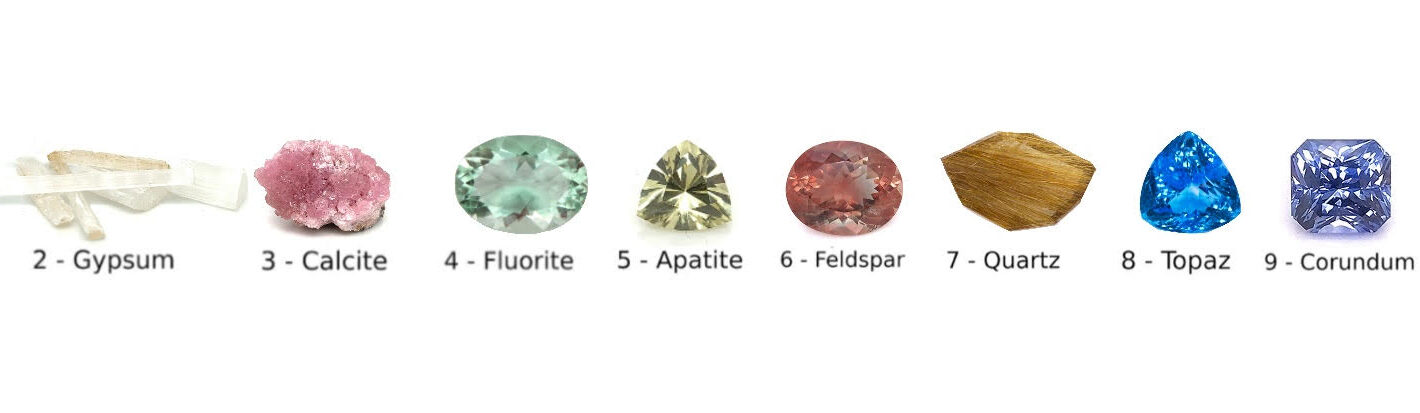
One rarely wonders if there is more to the hardness of gemstones beyond what is at face value. After all, once you have the Mohs scale down to a science, what other use could this knowledge bring to your business? We understand diamond is 10, corundum is 9, and the rest follow as easily as a fish downstream (or, I suppose, a pearl in an oyster).
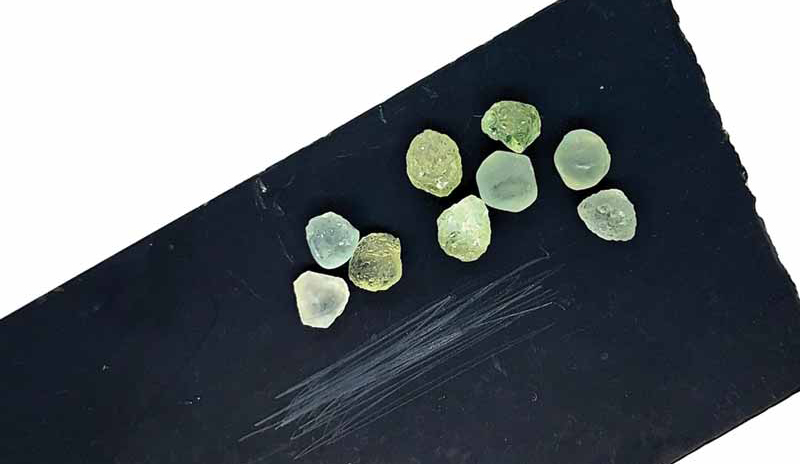
As it turns out, there is a world of information and misconceptions behind gemstones’ durability. Indeed, there are three distinct factors one should consider when discussing this subject: hardness, tenacity, and stability. Each of these attributes has its own importance in the jewellery business (pun intended).
This understanding can be useful when facing any sort of challenge in business—whether you’re wondering if a ruby can go into the ultrasonic, if a pearl can go into the acetone, or if you’re questioning whether or not Ethiopian white opal is stable.
Did you ever stop to wonder why a diamond is the hardest stone of all, but can still break in two with a well-placed hit? Well, wonder no more! What follows is a textbook overview of the gem world’s “trio of durability.”
To read the rest of the article click the link